

Roma Termini is Rome’s main rail and metro interchange and a practical starting point for getting around by public transport. Metro A and B both stop there, linking the station with central sights and neighbourhoods across the city. Termini is about a five-minute walk from a two-star hotel in Rome.
- Metro lines: A and B
- Useful Metro A stops: Repubblica, Barberini, Spagna and Ottaviano
- Useful Metro B stops: Colosseo and Circo Massimo
- BIT ticket: €1.50 for 100 minutes from first validation
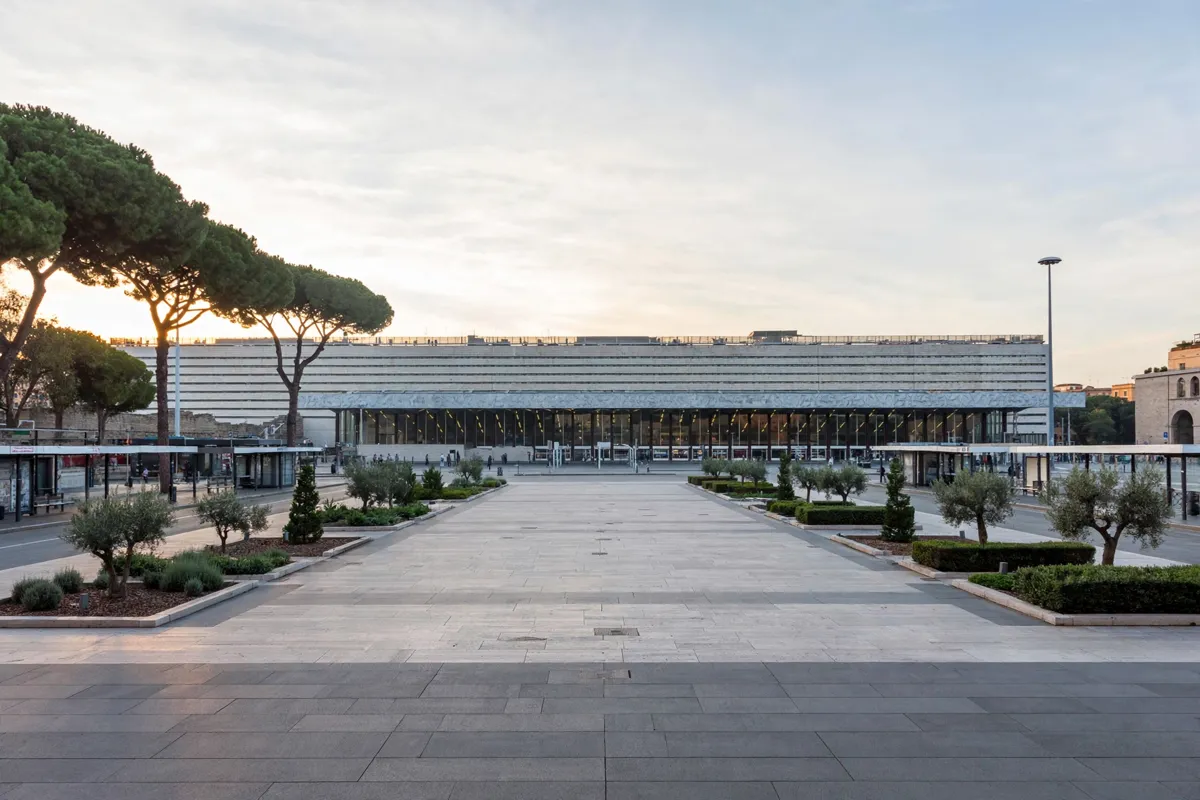
Start with the Termini interchange
Roma Termini brings Metro A and B together, making it an easy place to orient yourself before choosing a route. ATAC’s metro map shows the station on both lines, so check which line serves your destination before heading to the platforms.
At street level, the station is also a hub for buses and trams. If you’re arriving by train or changing between transport types, allow time to find the right exit and stop rather than assuming every service leaves from the same side of the station.
For context on the surrounding area, this guide to Termini and its neighbourhood covers the station’s place in the city.
For journeys from the airport, note that the BIT ticket does not cover the non-stop Trenitalia service between Roma Termini and Fiumicino Airport, or Cotral’s special airport connection to Termini and Tiburtina. Airport services have separate ticket arrangements.
Which Rome Metro stops are useful from Termini?

Metro A connects Termini with central stops including Barberini, Spagna and Flaminio, while Metro B serves Colosseo and Circo Massimo.
On Metro A, Repubblica serves the Teatro dell’Opera area, Barberini is the stop for Fontana di Trevi, and Spagna brings you to Piazza di Spagna. Continue to Flaminio for Piazza del Popolo, or take the line farther to Lepanto and Ottaviano for the Vatican Museums. South of Termini, Metro A also stops at Vittorio Emanuele, Manzoni and San Giovanni.
Metro B is a direct option from Termini for Colosseo and Circo Massimo. If your plans include several stops, map the day around the line connections rather than doubling back to Termini between each visit. For a walk-and-transit itinerary, a one-day route from Termini to Rome’s historic centre shows how central sights can fit into a day.
How do you use buses and trams from Termini?
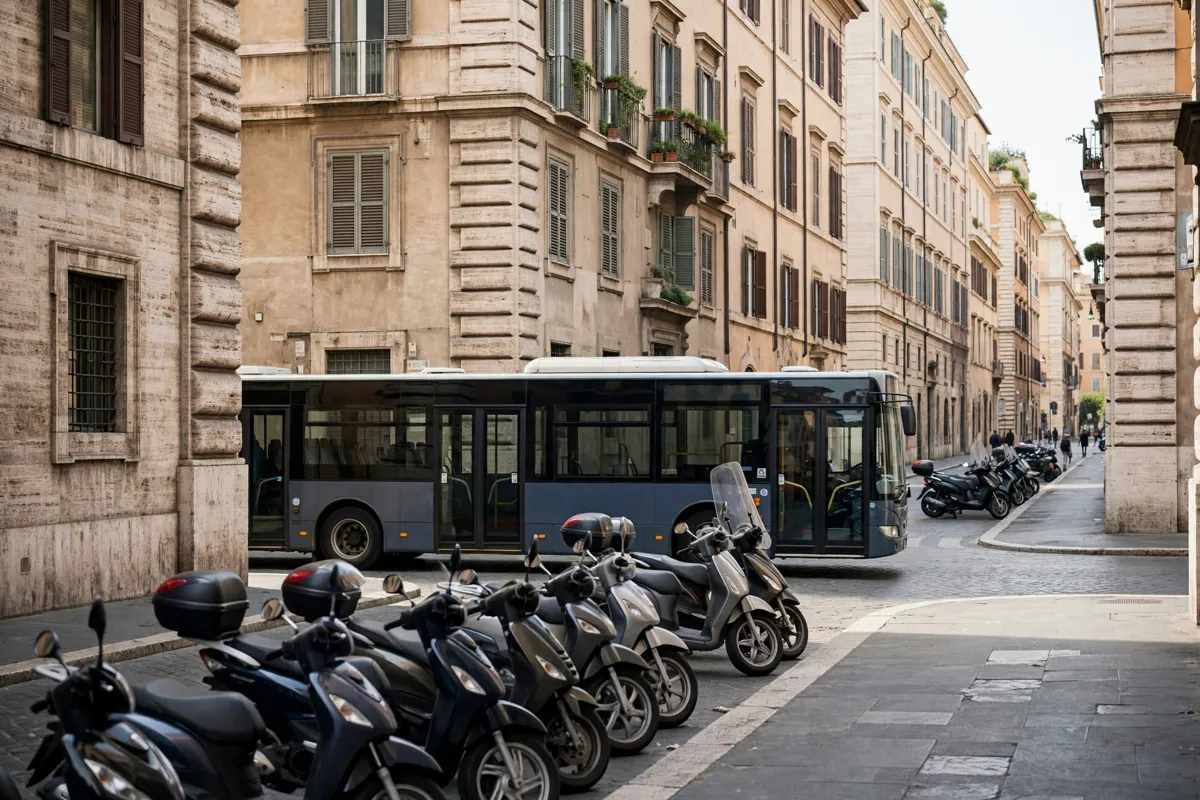
Buses and trams extend the public transport network beyond the metro, and you can use the ATAC app to plan connections across modes.
At Termini, tram lines 5 and 14 terminate at Exit T3. Bus line 40 terminates at Platform A, while lines 85 and 92 terminate at Platform B. The station’s bus terminal layout and access points can change, so confirm the current arrangement with ATAC before setting out.
ATAC’s official Roma app offers step-by-step journey planning, real-time arrival forecasts for buses, trams and metro lines, digital ticket purchases and management, service-status information, and accessibility information. It can help you compare a direct metro ride with a bus or tram connection when your destination is not close to a station.
Which Rome public transport ticket should you choose?
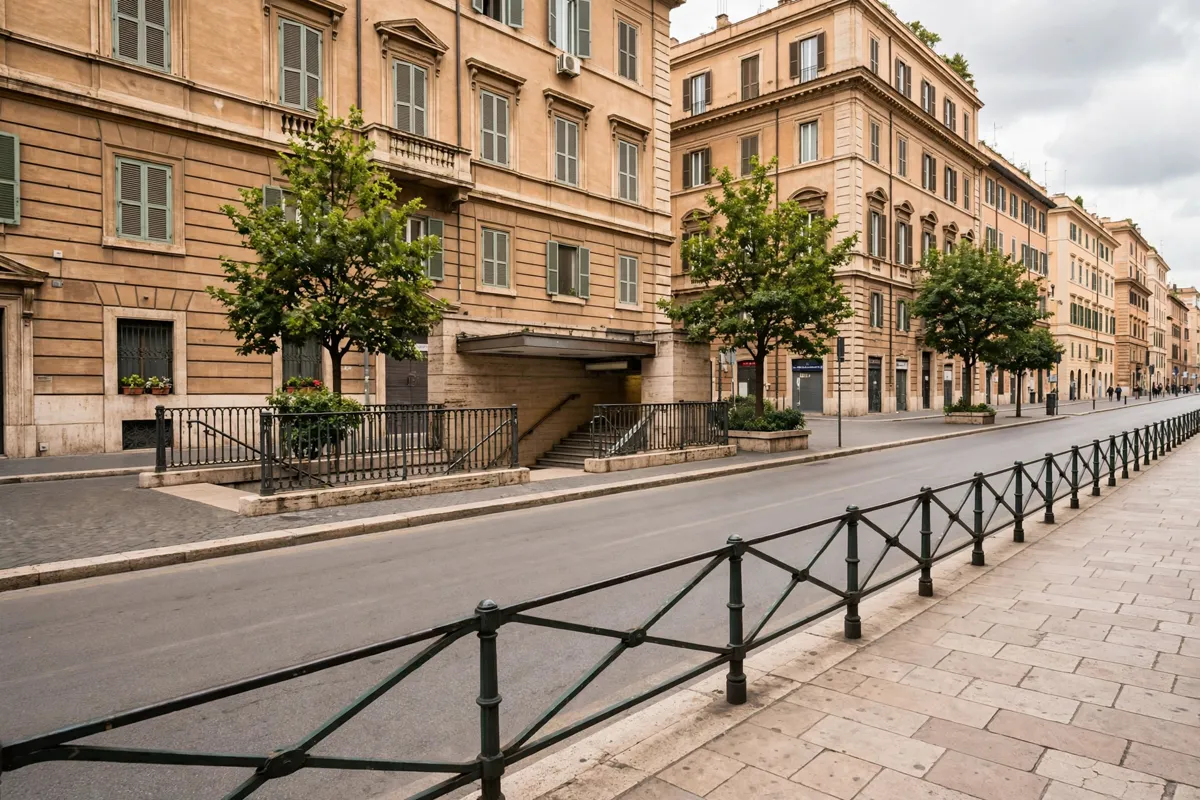
Choose a ticket based on how long you’ll travel and how many journeys you expect to make; ATAC ticket prices and terms can change, so check the official site before you go.
The BIT costs €1.50 and is valid for 100 minutes from first validation. It allows unlimited bus, tram and trolleybus journeys during that period, but only one metro journey.
You can change metro lines without passing through turnstiles, except when changing from line A to C, where passing through turnstiles is permitted. The BIT is valid on Rome’s metro, buses, trams, trolleybuses, urban Cotral buses, and the urban sections of regional trains and listed local rail services.
For unlimited travel over a set period, ATAC’s options include the ROMA 24H at €8.50, ROMA 48H at €15.00 and ROMA 72H at €22.00. Each allows unlimited journeys in Rome for its stated duration from first validation. The CIS weekly card costs €29.00 and runs until midnight of the seventh day, counting the validation day.
A pack of 10 BIT tickets costs €15.00. Each ticket lasts 100 minutes, and after its initial validity ends it can be reactivated for another 100 minutes, up to 10 reactivations. Children up to 10 years old travel free when accompanied by a fare-paying adult.
You can buy tickets from vending machines inside the metro station, use Tap&Go at metro turnstiles or aboard public transport, or visit the ATAC point in Piazza dei Cinquecento.
Paper tickets need validation at the beginning of a journey. If you change vehicles while a BIT is still valid, validate it again so it remains usable through the end of the journey.
For a metro trip with an ATAC Roma App ticket, select “Metro” to activate it, then hold the generated QR code against the optical reader at a turnstile.
When is walking practical instead of public transport?
Walking can make sense for destinations close to Termini, while metro, bus or tram journeys are useful when a route spans farther across Rome.
Before boarding, compare the walking route with the transit connection in your map or journey planner. A trip with several nearby stops may be simpler on foot, while Metro A and B provide clear links to places such as Spagna, Colosseo and Circo Massimo.
You can combine a metro ride with walking between central sights instead of returning to the station after each stop.
The best choice depends on your destination and the service running at the time. Use the ATAC app to check connections and live arrivals, then decide whether a direct walk or a change between modes fits your route.
How can you check service hours and live updates?
Check ATAC’s current service information before travelling, and use its app for real-time arrivals and service-status updates.
The ATAC app also provides accessibility information. ATAC publishes a list of accessible stations for people with motor or visual disabilities and offers real-time lifting-equipment status updates on request. Termini’s Metro A accessibility information refers to staff-assisted access and external entrances from line B; check the station’s accessibility conditions before travel.
For airport journeys, compare the available services and their ticket rules before leaving. The Fiumicino-to-Termini guide focuses on connections between the airport and the station.
FAQs
Which metro lines meet at Roma Termini?
Metro A and Metro B both stop at Termini. Metro A connects with stops including Barberini, Spagna and Ottaviano, while Metro B serves Colosseo and Circo Massimo.
How long is a BIT ticket valid?
A BIT is valid for 100 minutes from first validation. It allows multiple bus, tram and trolleybus journeys but only one metro journey.
Can you use a BIT ticket to get to Fiumicino Airport?
No. The BIT is not valid on the non-stop Trenitalia service from Roma Termini to Fiumicino Airport or on Cotral’s special airport connection.
How do you validate an app ticket at the metro?
Activate the ATAC Roma App ticket by selecting “Metro,” then hold its QR code against the optical reader at a turnstile.