

Palazzo Massimo in Rome is an archaeology museum with Roman sculpture, portraits, frescoes and mosaics from the city and its surrounding region. It is one of the four sites of the Museo Nazionale Romano. If you’re searching for “palazzo senatorio Rome,” this guide focuses on Palazzo Massimo; the walk from Toffa Place, a two-star hotel takes about six minutes.
- Location: Largo di Villa Peretti, 2, 00185 Rome
- Collections: Sculpture, reliefs, frescoes, mosaics, stuccoes and sarcophagi
- Regular opening pattern: Tuesday to Sunday, with published opening times ranging from 9:00 to 19:00
- Access: Lifts and ramps support internal mobility; wheelchairs are available on request
What kind of museum is Palazzo Massimo?
Palazzo Massimo is a museum of Roman archaeology and one of the four sites that make up the Museo Nazionale Romano. Its collections include works from excavations in Rome and the surrounding region since 1870.
The building was constructed from 1883 to 1887 for a Jesuit school. The Italian state acquired it in 1981, and it opened to the public as a museum in 1998. The museum’s full name is Museo Nazionale Romano Palazzo Massimo; Palazzo Massimo alle Terme is another name you may see used for the site.
Rather than focusing on one kind of object, the galleries bring together sculptures, reliefs, frescoes, mosaics, stuccoes and sarcophagi. That range makes it possible to look at Roman art through both large sculptural works and details of decorated buildings and daily life.
What can you see in the sculpture and portrait galleries?
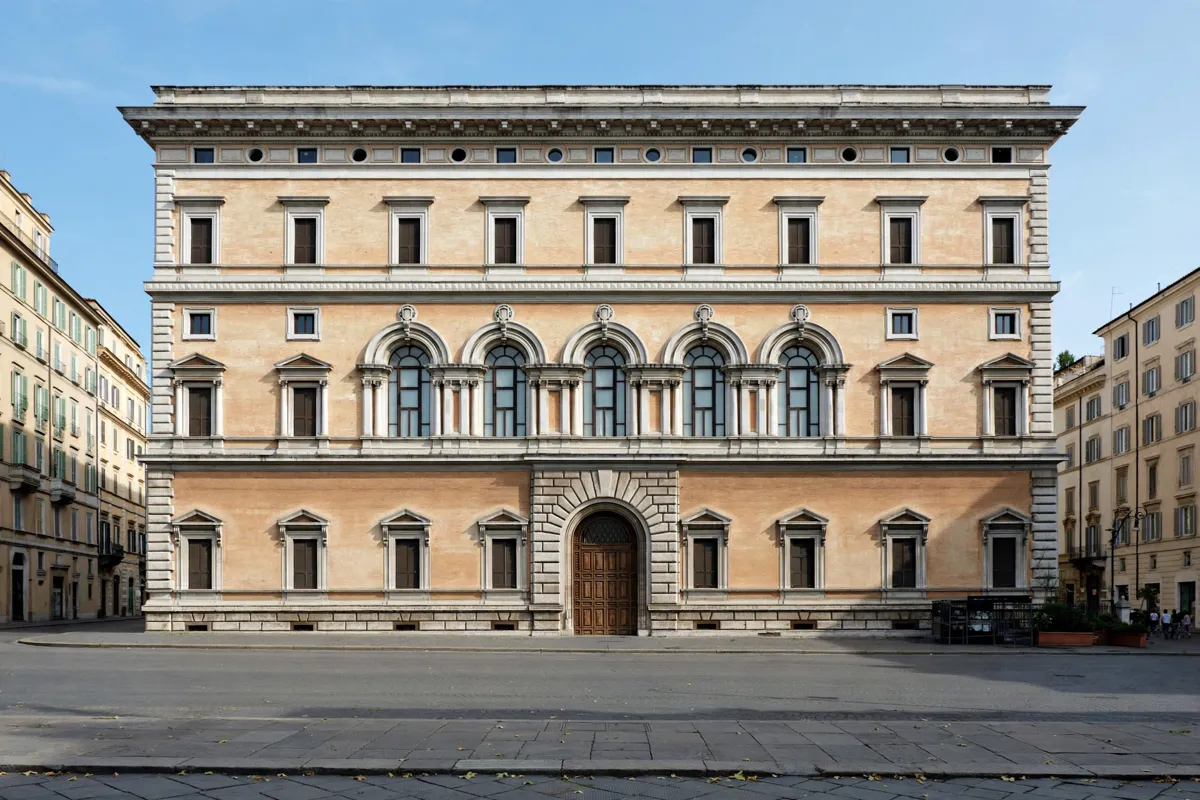
The museum map identifies a Portrait Gallery and a Sculpture Gallery, alongside displays of bronzes and ivories. These collections give you several ways to approach Roman sculpture, from individual portraits to other sculpted forms and materials.
Reliefs and sarcophagi add further examples of carved work to the collection. If you want to keep your visit focused, start with the portrait and sculpture galleries, then use the map to locate the other displays that interest you.
Where are the mosaics and frescoes?
The second floor is devoted to frescoes, stuccoes and mosaics, including wall decorations from the Villa di Livia, Villa Farnesina and Villa di Termini.
The museum map identifies the painted garden from the Villa of Livia at Prima Porta, paintings from the Villa Farnesina and floor mosaics dating from the 1st century BC to the 5th century AD. These displays make the upper floor a good place to focus if you are especially interested in ancient Roman frescoes and decorated interiors.
There are also displays of mosaics and paintings in the gallery the map calls the Gallery of Paintings and Mosaics. The range of works means you can see both wall decoration and floor mosaics within the museum’s collections.
How should you plan time inside the museum?
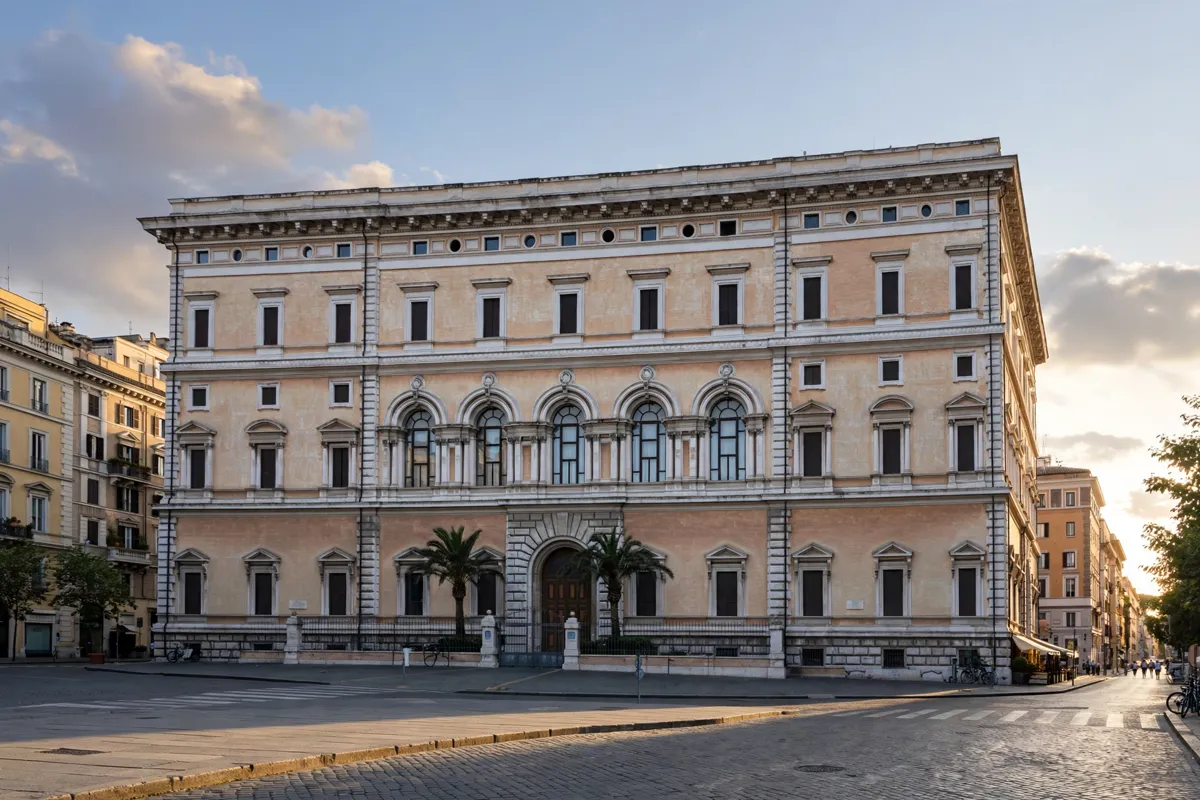
The museum map provides a practical order for a visit: it lists the Portrait Gallery, Sculpture Gallery, Gallery of Paintings and Mosaics, and displays of bronzes and ivories. The second floor adds the fresco, stucco and mosaic displays, while the basement has a different focus.
In the basement, you can see part of the National Roman Museum’s Coin and Medal Collection, along with coins, jewellery, precious ornaments and material about the cost of daily life. You could start with the galleries that matter most to you, then include the basement and second floor if time allows.
What are the opening hours, tickets and access arrangements?
The museum is regularly open Tuesday to Sunday, with published opening times ranging from 9:00 to 19:00. The ticket office closes or last admission is at 18:00. Check the official site before you go.
Confirm current ticket prices and admission rules before your visit. The museum is at Largo di Villa Peretti, 2, 00185 Rome. Lifts and ramps support internal mobility, wheelchairs are available on request, and suitable toilets are present.
How can you connect Palazzo Massimo with the Baths of Diocletian?
The Baths of Diocletian are another site of the Museo Nazionale Romano, at Via E. De Nicola, 78, 00185 Rome. The museum’s other site is covered in this guide to visiting the Baths of Diocletian.
Palazzo Massimo is about eight minutes on foot from Termini.
The station’s surrounding area is covered in this guide to Termini and its neighbourhood.
FAQs
Is Palazzo Massimo part of the Museo Nazionale Romano?
Yes. It is one of the museum’s four sites in Rome.
What is Palazzo Massimo best known for?
Its collections include Roman sculpture, portraits, frescoes, mosaics, stuccoes and sarcophagi. The second floor is dedicated to frescoes, stuccoes and mosaics.
Is Palazzo Massimo accessible to visitors with mobility needs?
The museum has lifts and ramps, suitable toilets and wheelchairs available on request.